Building a content calendar for small business 2026 is not the same game it was two years ago. The platforms have evolved, attention spans have shortened, and the businesses still winging their content strategy are the ones wondering why nothing is working.
Here is the truth: consistency beats creativity every single time on social media. But consistency without a system is just chaos with good intentions. A content calendar for small business 2026 gives you the structure to show up on purpose, post with intention, and actually see results from the time you invest in social media.
This guide walks you through 9 proven steps to build a content calendar that works for your business right now. Not theory. Not a template you will never use. A system you can start this week.
1. Define Your Content Pillars Before Anything Else
Most small businesses skip this step and go straight to brainstorming random post ideas. That is exactly why their feed looks scattered. Content pillars are the 3 to 5 core topics your brand consistently talks about. They keep your messaging focused and your audience clear on what you stand for.
For a content calendar for small business 2026, your pillars might include: educational content about your industry, behind-the-scenes of your process, client results and social proof, personal brand storytelling, and direct offers or promotions. Every post you plan should fall into one of these buckets.
The magic of pillars is that they make planning faster. When you sit down to fill your calendar, you are not starting from zero. You are choosing which pillar to pull from, which cuts your planning time in half. Content pillars are the foundation of any effective content calendar for small business 2026.
2. Choose the Right Planning Tool for Your Content Calendar for Small Business 2026
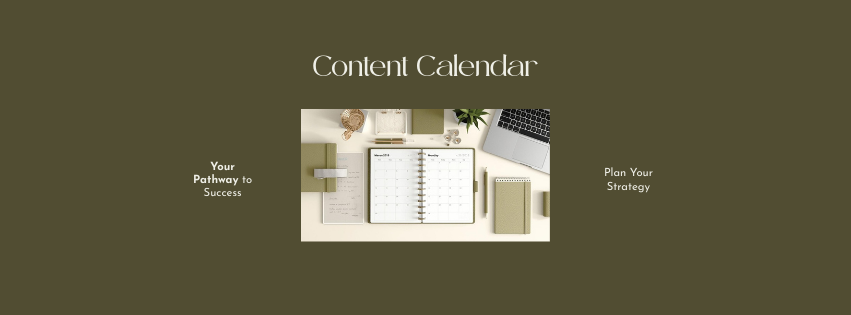
You do not need an expensive tool to plan content. You need a tool you will actually use. We use Rella at Upsocial because it keeps everything visual and organized in one place. Tools like Later or Hootsuite combine planning with scheduling, which saves time if you are a team of one. Notion is great if you want a more flexible layout for mapping out ideas. The key is picking one tool and committing to it. And stay tuned because Upsocial will be launching our own content calendar tool for small businesses to use soon.
The tool matters less than the habit. Pick one platform, commit to it for 30 days, and build the routine before you optimize the system. Most businesses fail at content planning not because they chose the wrong tool, but because they over-complicated the process before they even started. Simplicity is what makes a content calendar for small business 2026 actually stick.
3. Map Out Key Dates and Cultural Moments
Before you fill in a single post idea, mark the dates that matter. Industry events, product launches, seasonal shifts, holidays, and cultural moments all create natural content hooks that your audience is already paying attention to.
For 2026, that means mapping out everything from Q1 tax season content to summer campaign pushes to Black Friday prep that starts in October. The brands that plan around these moments look intentional. The brands that scramble last-minute look exactly like that: last-minute.
According to Sprout Social’s research on content calendars, brands that plan content around cultural moments and key dates see significantly higher engagement rates than those posting on an ad hoc basis.
4. Batch Your Content Creation Days
Creating content one post at a time is the most inefficient way to run your social media. Batching is the practice of dedicating specific blocks of time to create multiple pieces of content at once. It keeps you in a creative flow state and prevents the daily stress of figuring out what to post. Batching is the engine behind every effective content calendar for small business 2026.
A good content calendar for small business 2026 includes batch days built right into the schedule. Most of our clients batch content bi-weekly: one day for filming or photography, one day for writing captions and scheduling. That two-day investment covers an entire month of content.
Batching also improves quality. When you are not rushing to post something before lunch, you have the space to write better copy, choose stronger visuals, and think about what your audience actually wants to see. This quality boost is why batching belongs in every content calendar for small business 2026.
5. Build a Mix of Content Formats
If every post on your calendar is a static image with a caption, you are leaving engagement on the table. In 2026, the algorithm rewards variety. Carousels, Reels, Stories, Lives, and text-based posts all serve different purposes and reach different segments of your audience.
Your content calendar for small business 2026 should specify the format for each post, not just the topic. A simple system: 40% carousel or educational posts, 30% short-form video, 20% personal or behind-the-scenes content, and 10% direct promotional posts. Adjust based on what performs best for your brand.
Tracking format performance is just as important as tracking topic performance. You might discover that your audience saves carousels but shares Reels. That insight changes how you allocate your content mix going forward.
6. Write Captions in Advance, Not Day-Of
This is where most content calendars fall apart. The visual is ready, the post is scheduled, but the caption is “TBD.” Day-of captioning leads to weak copy, missed CTAs, and posts that look good but do not convert. Writing captions during your batch session means every post goes out polished and purposeful.
Your calendar should include a column for the full caption, not just a topic note. This way, when scheduling day arrives, you are copying and pasting instead of staring at a blank screen trying to be clever under pressure.
A strong content calendar for small business 2026 treats captions as strategic assets, not afterthoughts. Every caption should have a hook in the first line, value in the middle, and a clear call to action at the end.
7. Schedule Two Weeks Ahead Minimum
The whole point of a content calendar is to get ahead of the chaos. If you are planning content the same week you are posting it, you are not planning. You are just organizing your panic. Two weeks ahead is the minimum buffer that separates proactive brands from reactive ones.
Scheduling ahead does not mean you cannot be spontaneous. Leave 20% of your calendar flexible for trending topics, real-time reactions, and content that responds to what is happening right now. The other 80% should be locked, loaded, and scheduled before the week even starts.
According to HubSpot’s 2026 content marketing report, businesses that maintain a consistent content schedule are 2.5x more likely to report strong ROI from their social media efforts compared to those posting inconsistently.
8. Review Analytics Monthly and Adjust Your Content Calendar for Small Business 2026
A content calendar is not a set-it-and-forget-it document. It is a living system that should evolve based on what your data tells you. Every month, pull your analytics and ask three questions: What content got the most engagement? What content drove the most website traffic or conversions? What content underperformed and why?
These insights should directly shape next month’s calendar. If carousel posts about your process consistently outperform everything else, make more of them. If promotional posts always flop on Mondays, move them to Thursdays. The calendar gives you the structure. The data tells you what to put in it.
Small businesses that review their content performance monthly grow their engagement 3 to 4 times faster than those that post blindly. Your content calendar for small business 2026 should include a monthly review date built right into the schedule.
9. Repurpose Your Best Content Across Platforms
One piece of content should never live on just one platform. Your best-performing Instagram carousel can become a LinkedIn post, a blog article, a newsletter segment, and a TikTok script. Repurposing is not being lazy. It is being strategic about the time you invest in content creation.
Your content calendar should have a repurposing column that tracks where each piece of content can be adapted. A single client testimonial video can become a quote graphic for Instagram, a case study snippet for LinkedIn, and a story highlight. That is four pieces of content from one asset.
The businesses that grow fastest on social media are not creating the most content. They are getting the most mileage out of every piece they create. A strong content calendar for small business 2026 builds repurposing into the workflow from day one, not as an afterthought.
What a Content Calendar for Small Business 2026 Means for Your Growth
A content calendar is not about being organized for the sake of it. It is about removing the guesswork so you can focus on creating content that actually moves the needle. The businesses that plan ahead, batch their work, and adjust based on data are the ones that grow. The ones that post whenever inspiration strikes are the ones that stay stuck.
Stop treating social media like a to-do list you never finish. Start treating it like the growth engine it is. With the right content calendar for small business 2026, you will post more consistently, create better content, and finally see the return on all the time you are putting in.
At Upsocial Agency, we build content systems that run like clockwork. From strategy to creation to scheduling, we handle the entire content pipeline so you can focus on running your business. If you are ready to stop guessing and start growing, book a free audit with our team and let us show you what a real content calendar looks like in action.